“Do I need a regular cleaning or a deep cleaning?”
It sounds like a simple question until you start comparing cleaning companies.
One company may use the phrase “deep clean” for a slightly longer appointment. Another may include cabinet fronts, baseboards and detailed bathroom buildup. Another may treat appliance interiors or windows as separate services.
There is no universal industry checklist.
The better way to understand the difference is to focus on the condition of the home and the amount of detail required.
A regular cleaning maintains a home that is already under reasonable control.
A deep cleaning resets a home where dirt and residue have accumulated outside the normal maintenance routine.
That distinction is far more useful than the name printed on the package.
What Is Regular House Cleaning?
Regular cleaning is maintenance.
Its purpose is to keep frequently used areas from developing significant buildup.
A typical routine clean may include dusting accessible surfaces, vacuuming, sweeping or mopping floors, cleaning bathroom fixtures, wiping countertops, cleaning kitchen surfaces and taking out trash.
When performed consistently, those tasks prevent the majority of ordinary household dirt from becoming difficult to remove.
The key phrase is performed consistently.
If the kitchen was thoroughly cleaned last week, maintaining it this week may be straightforward.
If the kitchen has not received detailed attention in six months, the same list of tasks may require dramatically more time.
What Makes a Deep Clean Different?
Deep cleaning focuses on accumulated buildup and areas outside the regular maintenance cycle.
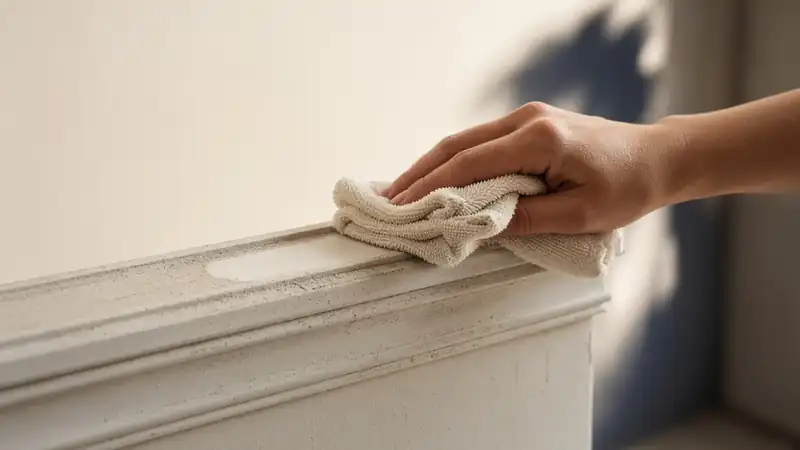
That may include detailed baseboards, door frames, window sills, blinds, heavy bathroom buildup, kitchen grease, cabinet exteriors, fixture detailing, hard-to-reach surfaces, furniture edges and areas beneath movable items.
A deep clean also tends to involve more dwell time.
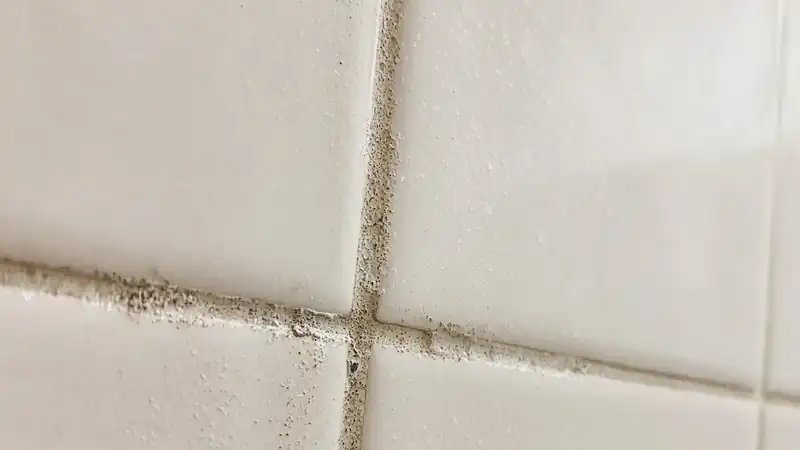
For example, wiping a regularly maintained shower takes a few minutes. Removing layers of soap residue and mineral buildup is a different job.
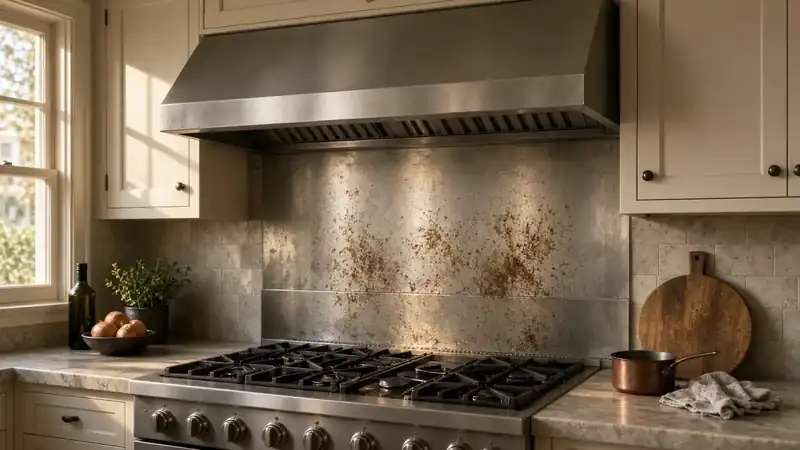
Cleaning a stovetop after one week of normal use is different from breaking down months of baked-on grease.
The surface may be the same. The workload is not.
Think of Regular Cleaning as Maintenance and Deep Cleaning as Restoration
Imagine owning a car.
A routine wash keeps a clean vehicle looking clean.
If the vehicle has accumulated road grime for six months, the first visit may require wheels, trim, interior surfaces and detailed treatment before simple maintenance becomes effective again.
Homes work similarly.
A deep clean establishes a better baseline.
Once that baseline exists, routine cleaning becomes faster and more predictable.
Signs You Probably Need a Deep Cleaning
You do not need a professional vocabulary test.
Look at the home.
If wiping a countertop and vacuuming the floor makes everything look good again, routine service may be enough.
If you notice dust on baseboards, residue around fixtures, grease above the stove, grimy cabinet pulls, dirty window tracks, dusty vents and buildup around bathroom edges, the house is asking for more detail.
Another strong sign is that you keep cleaning but never feel finished.
That usually means there are too many neglected secondary surfaces.
Kitchens Reveal the Difference Quickly
Kitchens contain multiple forms of soil at the same time: crumbs, oils, food residue, dust and moisture.
Routine cleaning might involve countertops, the stovetop, sink, appliance exteriors and floors.
A deeper visit may require additional attention around cabinet faces and pulls, backsplash seams, appliance edges, heavier grease, detailed sink fixtures and areas beneath or beside movable items.
Grease deserves special attention because airborne cooking residue can travel farther than people expect.
Dust then adheres to that film, creating the familiar sticky layer found above cabinets and around range hoods.
Bathrooms Create a Different Type of Buildup
Bathrooms combine soap, body oils, moisture and dissolved minerals.
Los Angeles water is particularly relevant.
LADWP explains that water hardness varies across the city because Los Angeles receives water from multiple sources. Its published data classifies water above seven grains per gallon as hard; the San Fernando Valley and western Los Angeles averaged 8.6 grains per gallon in the cited data.
Hard water is safe to use, but the minerals it contains can leave deposits on fixtures and glass after droplets evaporate. That is a separate problem from ordinary soap film — the hard-water window guide covers what actually works.
That helps explain why some Los Angeles showers can look cloudy shortly after a superficial cleaning.
Deep cleaning in these situations may involve more detailed mineral and soap-residue removal, using methods appropriate for the specific surface.
Bedrooms and Living Areas Need Deep Cleaning Too
The dramatic buildup is usually in kitchens and bathrooms, but dry rooms contain their own neglected surfaces.
Look at:
- Baseboards
- Ceiling-fan blades
- Window sills
- Blind slats
- Furniture seams
- Under beds
- Closet shelves
- Door frames
- Lamp bases
- Upholstery
The EPA recommends routine vacuuming of carpet and fabric-covered furniture, damp-dusting hard surfaces and damp-mopping floors as part of reducing indoor dust and biological contaminants.
Deep cleaning brings those secondary surfaces back into the system.
Should Deep Cleaning Include Disinfection?
Cleaning and disinfecting are not synonyms.
The CDC defines cleaning as removing dirt, impurities and many germs through soap or detergent and physical cleaning. Disinfecting uses chemicals to kill germs remaining on a surface.
For most ordinary home situations, the CDC says routine cleaning is generally sufficient; additional disinfection becomes more important when someone is sick or at increased risk.
This distinction matters because “more chemicals” does not automatically mean “cleaner.”
Products should be chosen for the surface and used according to label directions.
Never mix cleaning chemicals casually. Both CDC and EPA guidance warn that mixing bleach with other cleaners can create dangerous vapors.
When Should You Schedule a Deep Clean?
Common situations include:
- Before beginning recurring cleaning service
- After several months without thorough cleaning
- Before or after hosting a major event
- Before listing a home for sale
- After moving furniture
When preparing for a new baby or household member.
Before move-in.
Before moving out.
After a period of unusually heavy use.
When kitchens or bathrooms have visible buildup.
The frequency varies enormously.
A household that receives weekly maintenance might need deep cleaning far less often than one that handles all cleaning sporadically.
Deep Cleaning Is Not the Same as Specialty Cleaning
This is an important distinction.
Some problems require specific equipment or processes rather than simply more scrubbing.
Carpet extraction, upholstery cleaning, stone care, window cleaning and certain floor treatments are examples.
Extreme Quality Clean’s crews handle both ordinary maintenance and a full reset, plus carpet deep-steam, upholstery, mattress, stone, wood-floor, and window work. Bundling the right specialty with a deep house clean is often more complete than treating every surface the same way.
How Long Does a Deep Clean Take?
There is no honest universal answer.
Time depends on:
- Property size
- Number of bathrooms
- Number of occupants
- Pets
- Clutter
- Surface condition
- Time since the last detailed cleaning
- Number of cleaners
- Requested extras
A 1,000-square-foot apartment that has been maintained carefully is not equivalent to a similarly sized property with months of buildup.
That is also why a written quote for the actual house is more accurate than one universal price. See what actually changes a Los Angeles cleaning quote.
What Should You Ask Before Hiring a Deep Cleaning Service?
Ask what “deep clean” specifically means.
Request a written scope if possible.
Ask whether windows, carpet, upholstery, appliance interiors and cabinet interiors are included or separate.
Explain any unusual surface or problem in advance.
Mention pets.
Mention stains.
Mention fragile finishes.
Tell the company whether the property is occupied, empty or partially moved.
Good cleaning begins with accurate expectations.
Deep Cleaning Should Make Future Cleaning Easier
This is the real payoff.
The best deep clean is not simply an impressive before-and-after moment.
It creates a new baseline.
Once grease is removed, baseboards are detailed, bathrooms are reset and overlooked surfaces are brought under control, maintaining the house becomes much easier.
Instead of spending every cleaning session fighting old buildup, you are dealing primarily with what accumulated since the last visit.
Which One Does Your Home Need?
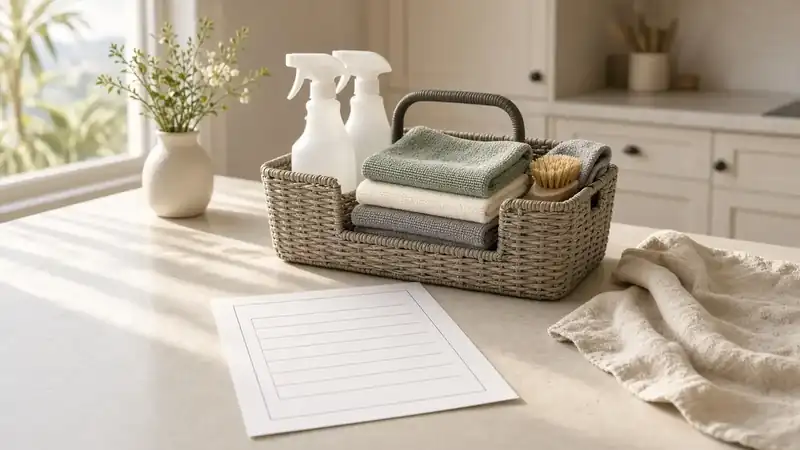
Choose regular cleaning when your home is already in good condition and you want to keep it that way. The 35-point house cleaning checklist is a useful audit before you decide.
Choose a deep clean when multiple areas have accumulated buildup or when you want a comprehensive reset before moving into maintenance.
If you are unsure, do not try to fit the home into a package name.
Describe the condition.
A professional cleaning company should be able to recommend the appropriate scope.
Extreme Quality Clean has cleaned homes across greater Los Angeles for more than 25 years, with crews equipped for both ordinary maintenance and a full reset. Request a quote or call (818) 294-3141. You get the number before we start.
The goal should always be the same: perform the level of cleaning the property actually requires.