The contractor says the remodel is finished.
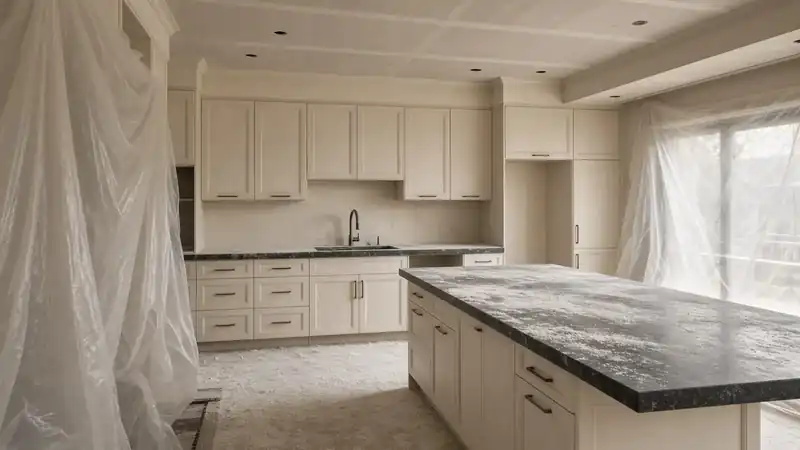
The cabinets are installed.
The paint is dry.
The countertops shine.
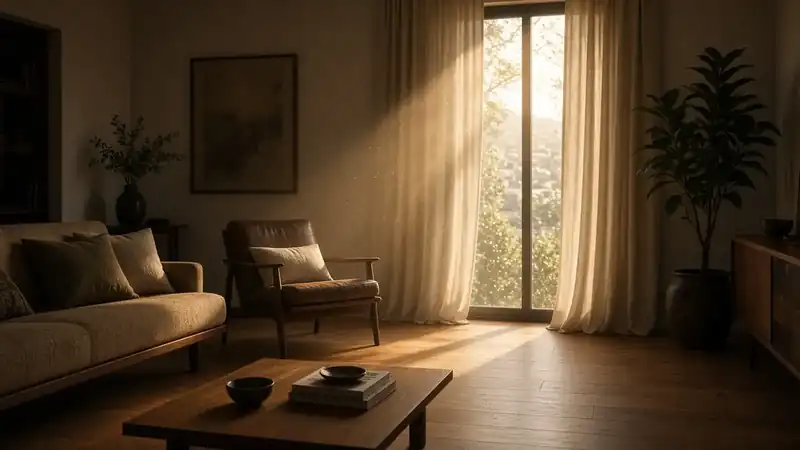
Then sunlight enters the room.
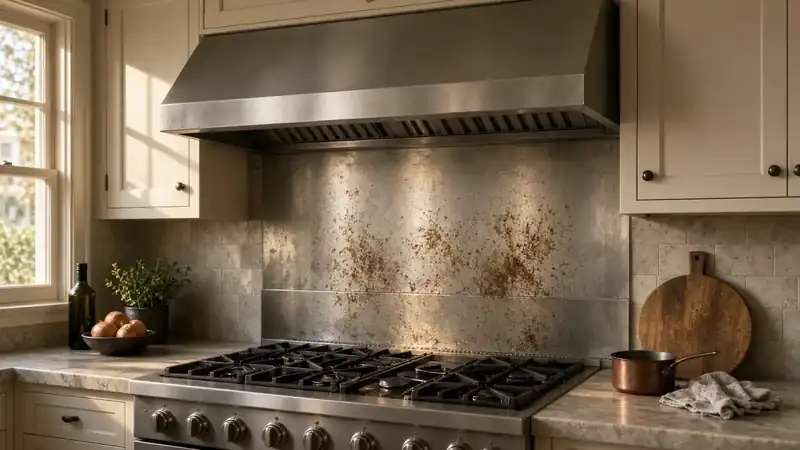
Dust is everywhere.
It is on the windows.
Inside tracks.
Across the new floor.
On the top of doors.
Around fixtures.
Sometimes it seems to reappear a day after you clean it.
Welcome to the final phase of remodeling that many homeowners underestimate:
post-construction cleaning.
A renovated property may be construction-complete without being truly move-in ready.
Construction Dust Is Not Ordinary Household Dust
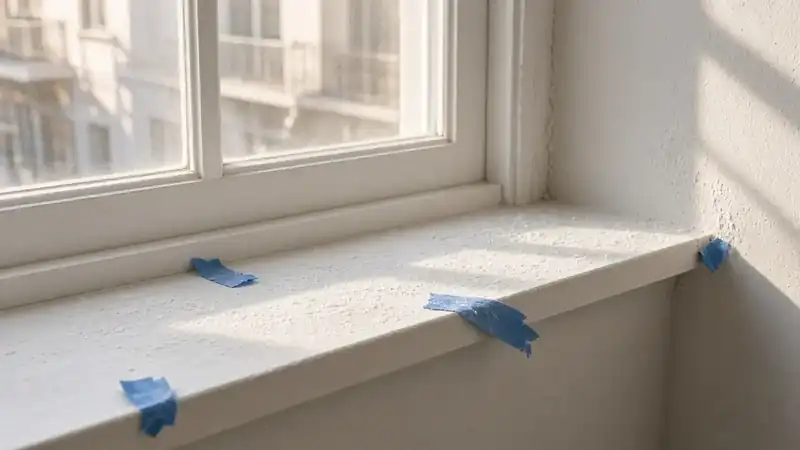
Everyday dust accumulates gradually.
Construction can generate large amounts of fine material in a short period.
Drywall work, sanding, cutting, drilling and demolition can create particulate matter that travels beyond the immediate work area.
EPA remodeling guidance recommends containing dust during the project with barriers, low-dust work practices and ventilation strategies.
The better the containment, the easier the final clean.
But even excellent contractors can leave fine settled dust behind.
Why the Dust Keeps Coming Back
You wipe the counter.
The next morning it looks dusty again.
That does not necessarily mean nobody cleaned it.
Fine particles can remain on:
- Upper cabinets
- Door tops
- Lighting
- Vents
- Walls
- Window frames
- Shelves
- Trim
As air moves through the home, some of that material settles onto lower surfaces again.
That is why one fast pass may be insufficient after substantial renovation. A proper final clean targets fine dust on high surfaces, vents, window tracks, fixtures and floors — not a standard weekly house clean. If ordinary household dust is the issue instead, start with why Los Angeles homes get so dusty.
Do Not Begin Until Construction Is Actually Finished
Cleaning too early is one of the most expensive mistakes.
Imagine completing the final clean and then having a painter return to sand one patch.
Dust spreads again.
Or a contractor returns to cut trim.
Or an electrician drills another opening.
Ideally, complete dusty construction operations before the final detailed cleaning.
There may still be touch-up work afterward, but coordinating the sequence saves substantial rework.
Step 1: Remove Construction Debris
The cleaners should not have to navigate piles of lumber, boxes, tile scraps and contractor waste unless debris removal is specifically part of the service.
First remove construction materials and trash.
Hazardous material requires appropriate professional handling.
Do not treat unknown construction dust as ordinary household debris when lead, asbestos or other hazards may be present.
The EPA specifically advises additional precautions when homes contain lead or asbestos.
Step 2: Protect New Finishes
This is a newly remodeled property.
The objective is to clean without damaging what you just paid to install.
Identify:
- Natural stone
- Specialty tile
- New hardwood
- Custom cabinetry
- Metal finishes
- Painted surfaces
- Specialty glass
- Manufacturer-treated fixtures
The strongest cleaner is not automatically the best cleaner.
Choose products and methods appropriate for each surface.
Step 3: Work From High to Low
Post-construction cleaning should follow gravity.
Begin with higher surfaces and finish with flooring.
Potential high areas include:
- Ceiling fans
- Light fixtures
- Upper cabinet surfaces
- Door-frame tops
- Shelves
- Window tops
- Accessible vent covers
Then move downward to countertops, furniture, baseboards and floors.
Otherwise, dust from above repeatedly contaminates cleaned surfaces below.
Step 4: Use the Right Vacuum
Fine dust can challenge ordinary vacuum equipment.
The EPA recommends considering HEPA-filtered vacuums for dust reduction and warns that certain cleanup situations require specialized precautions.
The filter and vacuum should be appropriate for the material being collected.
Do not automatically use a household or shop vacuum for hazardous ash or unknown hazardous debris.
Step 5: Damp-Wipe Appropriate Hard Surfaces
Dry wiping can redistribute fine particles.
EPA guidance for ordinary indoor particulate reduction recommends damp dusting and damp mopping where appropriate.
Use a clean cloth.
Change cleaning water and cloths as they become dirty.
Otherwise, you simply move residue from one surface to another.
Step 6: Pay Attention to Windows and Tracks
Construction dust loves window tracks.
New windows may also contain labels or protective material requiring appropriate removal.
Do not aggressively scrape glass without confirming that the method is safe for that specific glass.
Exterior mineral spotting is another separate issue common in Los Angeles because of hard water. See hard-water stains on windows.
Step 7: Clean Cabinets Before Filling Them
This is the ideal moment.
Once dishes and cookware are inside, cleaning every cabinet becomes much more difficult.
Vacuum loose material first.
Then wipe interior surfaces using a method appropriate for the cabinet finish.
Allow them to dry before loading them.
Step 8: Detail Bathrooms
Construction residue can remain around:
- Fixtures
- Tile
- Grout
- Shower tracks
- Cabinet interiors
- Mirrors
- Tub edges
- Vent covers
- Floor edges
- New installations deserve careful product selection
Some strong acidic products can damage stone or specialty surfaces.
Step 9: Clean Floors Last
Floors collect everything removed from above.
Vacuum or otherwise collect loose material first.
Then use the cleaning method specified for the flooring type.
New hardwood, stone, luxury vinyl and tile should not automatically receive the same product.
Step 10: Expect a Final Inspection
When the cleaning appears complete, stop.
Wait.
Then inspect in strong daylight.
Construction dust reveals itself in side lighting.
Look at dark cabinetry, glossy counters, baseboards and window sills from an angle.
You may discover areas requiring a final touch-up.
What Is the Difference Between Deep Cleaning and Post-Construction Cleaning?
Deep cleaning deals primarily with accumulated household soil. Post-construction cleaning deals with residue created by building work. There can be overlap, but the environment is different. A regular or deep house clean should not automatically be expected to cover a post-remodel property.
Construction cleaning may require:
- More dust-control procedures
- Multiple passes
- Care around brand-new finishes
- Coordination with contractors
- Handling of labels or safe residues
- More intensive window-track cleaning
- Dust removal from unusual elevated surfaces
What About HVAC Ducts?
Homeowners often assume ducts should automatically be cleaned after remodeling.
EPA guidance does not recommend routine duct cleaning in every situation. It suggests considering duct cleaning when ducts contain excessive dust/debris or particles are actually being released from supply registers.
If you suspect contamination inside the HVAC system, consult an appropriate HVAC or duct-cleaning professional rather than assuming ordinary house cleaners should address it.
When Should You Bring Furniture Back?
After major dust removal and appropriate surface cleaning are complete.
Allow wet-cleaned areas to dry.
Inspect cabinet interiors before filling them.
Inspect flooring before placing rugs.
Putting everything back too early makes final detailing much harder.
Who Needs Post-Construction Cleaning?
Homeowners after remodeling.
General contractors preparing turnover.
Interior designers preparing reveals.
Property managers after unit renovations.
Businesses after tenant improvements.
Real-estate professionals preparing renovated listings.
Builders preparing completed spaces.
The desired result is the same:
The construction work should be visible.
The construction process should not be.
The Bottom Line
A remodel is not finished when the tools leave.
It is finished when the space is ready to use.
That requires controlling fine dust, protecting new surfaces, cleaning from high to low and inspecting the completed work under real lighting conditions.
If the renovation generated significant fine particulate or involved potentially hazardous material, use professionals appropriate for that hazard.
For ordinary residential and commercial cleaning after the construction phase is safely finished, Extreme Quality Clean works throughout greater Los Angeles. Request a quote or call (818) 294-3141. You get the number before we start.
Your contractor created the new space.
The final clean is what allows you to finally enjoy it.