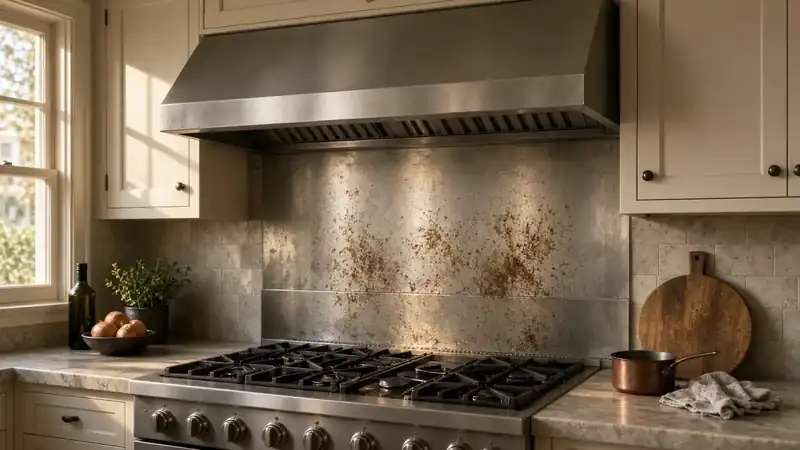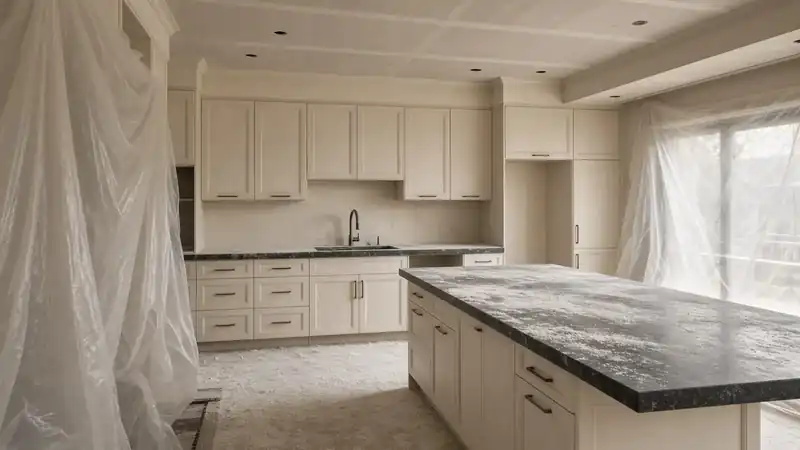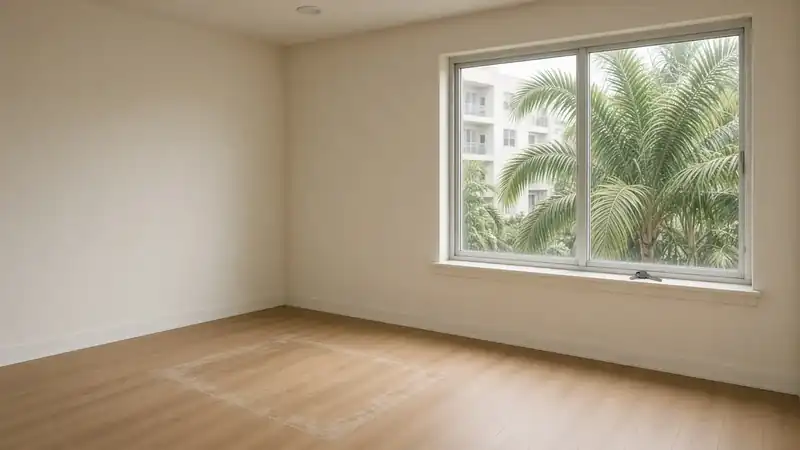
Moving is deceptive.
At first, cleaning the empty apartment sounds easy. There is less furniture. Most of your belongings are gone. Every room looks open.
Then you start noticing what the furniture had been hiding.
Dust outlines appear where beds stood.
Baseboards that looked fine suddenly look gray.
Cabinet interiors are covered with crumbs.
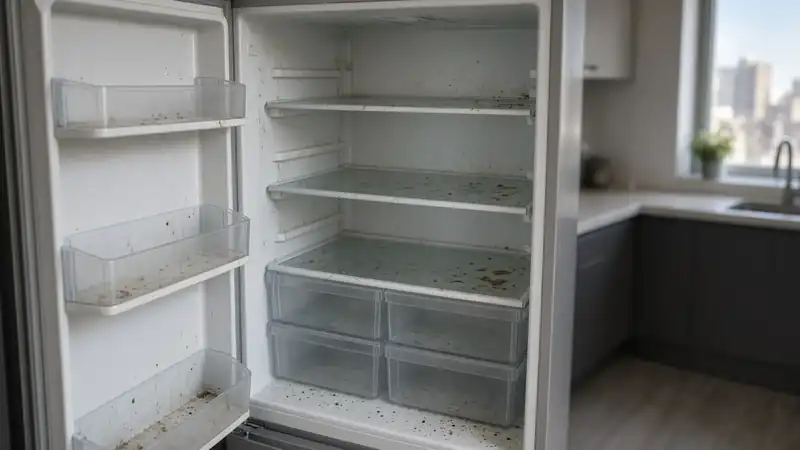
The refrigerator needs attention.
The shower glass is cloudy.
Window tracks contain years of debris.
Marks appear on walls that you never noticed before.
That is why move-out cleaning should not be treated like one final weekly clean.
It is a property reset.
And in California, cleanliness can also matter financially.
California Civil Code Section 1950.5 allows a landlord to use a security deposit for cleaning needed to return the unit to the same level of cleanliness it had at the beginning of the tenancy, in addition to other permitted deductions. Ordinary wear and tear is treated differently from damage.
This article is general cleaning information, not legal advice, but the practical lesson is straightforward:
Do not wait until thirty minutes before returning the keys to discover how much cleaning an empty home actually requires.
Before You Start: Empty the Property
Whenever possible, complete packing and remove belongings before the final cleaning.
An empty property gives you access to:
- Entire floors
- Closets
- Cabinet interiors
- Walls previously covered by furniture
- Areas beneath appliances
- Baseboards
- Window tracks
- Corners
It also reduces the chance that movers will walk through freshly cleaned floors afterward.
The ideal order is generally:
Move belongings → remove trash → make necessary repairs → clean → inspect → take documentation photos → final walkthrough.
The 47-Point Move-Out Checklist
Kitchen
- Clear every cabinet.
- Vacuum cabinet interiors.
- Wipe cabinet shelves.
- Clean drawer interiors.
- Wipe cabinet doors.
- Degrease cabinet pulls.
- Clean countertops.
- Clean backsplash surfaces.
- Clean the sink basin.
- Detail the faucet.
- Clean the stovetop.
- Clean range-hood exterior surfaces.
- Clean the microwave interior.
- Wipe microwave exterior.
- Clean refrigerator interior if required.
- Clean refrigerator exterior.
- Check refrigerator gaskets.
- Clean oven interior if required.
- Clean dishwasher edges.
- Vacuum or sweep beneath accessible movable appliances.
- Mop the kitchen floor last.
Bathroom
- Clean toilet bowl.
- Clean toilet exterior.
- Clean vanity top.
- Clean sink basin.
- Detail faucet fixtures.
- Clean mirror completely.
- Clean shower or bathtub.
- Clean shower fixtures.
- Clean shower-door tracks.
- Wipe bathroom cabinets.
- Empty cabinet and drawer interiors.
- Clean accessible vent cover.
- Wipe bathroom baseboards.
- Mop bathroom floors.
Los Angeles hard water can contribute to visible mineral deposits. LADWP identifies much of the city's supply as hard water, which helps explain spotting around faucets, shower glass and chrome fixtures.
Bedrooms and Living Areas
- Dust horizontal surfaces.
- Wipe baseboards.
- Clean door surfaces.
- Wipe door frames.
- Clean light switches.
- Clean closet shelves.
- Vacuum closet floors.
- Clean window sills.
- Clean window tracks.
- Dust blinds when included.
- Vacuum carpets carefully.
- Vacuum and mop all hard floors.
What About Carpet Cleaning?
Carpet becomes particularly important at move-out because furniture no longer hides discoloration.
Traffic lanes may appear darker than surrounding areas. Furniture can leave compressed sections. Pet accidents may become obvious.
Standard vacuuming removes loose debris but does not perform the same function as professional extraction.
We handle carpet deep-steam, pet stain and odor, upholstery, and floor work — so the walkthrough does not fail on the carpet the furniture had been hiding. If the property has significant staining, schedule extraction before the final walkthrough rather than assuming a quick vacuum will solve it.
Document the Condition
After cleaning, photograph each room.
Include:
- Floors
- Cabinets
- Appliances
- Bathrooms
- Walls
- Closets
- Windows
Take broad room photographs and closer images of areas that could later become disputed.
Documentation does not replace your lease or applicable law, but it gives you a clear record of the condition in which you left the property.
What Cleaning Cannot Fix
This distinction matters.
Cleaning is not repair.
A cleaner can remove ordinary soil, but cleaning cannot necessarily solve:
- Deeply damaged carpet
- Broken blinds
- Cracked fixtures
- Permanent countertop damage
- Large wall holes
- Damaged flooring
- Failed caulk
- Mold caused by an unresolved moisture problem
- Heavy paint damage
Identify repair issues early enough to address them separately.
Avoid Last-Minute Cleaning
A move-out clean can take longer than expected because an empty property exposes accumulated detail. It is closer to a deep clean than to a weekly maintenance visit.
Scheduling cleaning at the very end of moving day creates unnecessary risk.
Ideally, leave enough time after cleaning for:
- Drying
- Inspection
- Corrections
- Final photographs
- Returning keys
If professional cleaning is being used, provide access instructions and any landlord checklist in advance.
Read Your Lease
Your lease may contain specific expectations for the unit.
Do not assume that a generic internet checklist overrides those terms.
Look for requirements involving:
- Carpet
- Appliances
- Wall condition
- Trash
- Balconies
- Keys
- Garage areas
- Cleaning documentation
If anything is unclear, ask the landlord or property manager before the deadline.
What Professional Move-Out Cleaning Can Do
Professional move-out cleaning becomes particularly valuable when the property is large, heavily used or subject to a tight moving schedule.
A professional team can address multiple rooms systematically while you handle movers, utilities, address changes and dozens of other tasks competing for your attention.
When requesting a quote, disclose:
Property size.
Bedrooms and bathrooms.
Whether it will be empty.
Carpeted versus hard-floor areas.
Pet stains.
Appliance interiors.
Window cleaning needs.
Heavy kitchen buildup.
Parking or building-access restrictions.
Your deadline.
The more accurate the scope, the more accurate the service plan can be.
Final Walkthrough: Look at the Home Like You Never Lived There
This is one of the most useful move-out strategies.
Stop looking at the property as your home.
Look at it as if you were arriving for the first time.
Would you notice dirt around the refrigerator?
Would the shower appear clean?
Would dusty baseboards stand out?
Would you see hair around the bathroom edges?
Would the window track bother you?
Would you consider the cabinets ready for your belongings?
That perspective often reveals the final 10 percent.
The Bottom Line
Moving out is already one of the most demanding household projects.
Cleaning should be planned as a separate phase rather than squeezed between packing and returning the keys.
Use a room-by-room checklist, understand the difference between cleaning and damage, review your lease, document the final condition and leave yourself time for one last inspection.
For Los Angeles renters and homeowners who prefer professional assistance, Extreme Quality Clean handles residential, carpet, floor and window cleaning across greater Los Angeles. Request a quote or call (818) 294-3141. You get the number before we start.
A clean handoff will not solve every moving issue.
But it is one part of the process you can control.